
Shalu: From Rural Roots to National-Level Sportsperson and Educator
Shalu comes from a middle-income farming family in rural Uttar Pradesh. Her father is a farmer, and her mother is a homemaker. She has five siblings – one brother and four sisters. The family’s annual income was approximately ₹48,000, which meant access to quality education and opportunities was extremely limited.
All of Shalu’s sisters studied in government schools and were married at an early age, following prevailing social norms in the village. Shalu’s life took a different turn when she joined Pardada Pardadi Educational Society in the 3rd standard. Encouraged by girls from her village who were already studying at the school, her parents enrolled her with hopes of a better future.
During her schooling, Shalu discovered her passion for sports, particularly basketball. With continuous support and structured training, she went on to represent her state at the national level. It was an extraordinary achievement for a girl from a conservative rural background. Her journey was not without challenges. She faced resistance from her village community, where girls’ participation in sports was not socially accepted. Despite this, Shalu remained determined and continued her training.
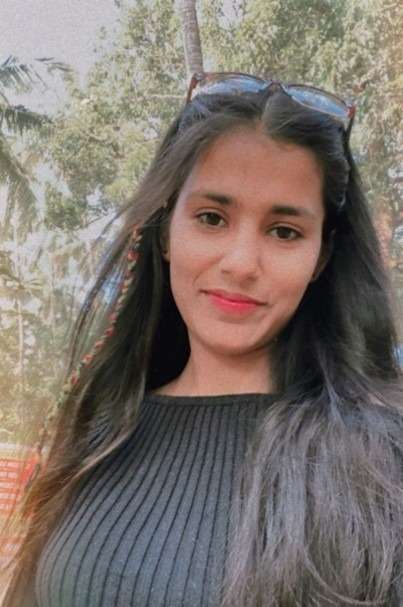
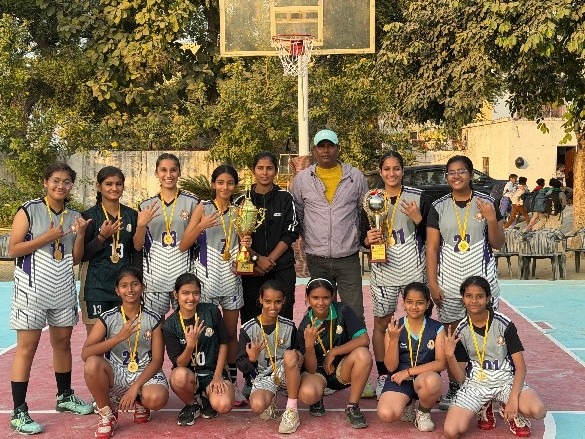
After completing her schooling, Shalu pursued her graduation at the Institute of Technology and Management (ITM) University, Gwalior. Even during her college years, she continued to play basketball at competitive levels, balancing academics and sports with discipline and resilience.
Today, Shalu works as a Sports Teacher in one of the leading schools in the Bulandshahr district. Alongside her job, she is further strengthening her professional qualifications by pursuing a Bachelor of Physical Education (B.P.Ed.). Her journey from a rural village to becoming a national-level sportsperson and educator demonstrates the transformative power of education, mentorship, and opportunity.
Shalu’s story stands as a strong example of how targeted educational and extracurricular support can challenge social barriers, delay early marriage, and enable young women to achieve independence and leadership, creating lasting change for families and communities.